Premium Dementia Care Options: Why They Matter for Families
Quality dementia support programs play an essential role for loved ones facing the challenges of dementia. These services provide tailored support that addresses both the needs of residents and their caregivers. By promoting security, comfort, and emotional connections, quality care works to alleviate feelings of isolation. However, not all dementia care centers are the same. Knowing what to consider can greatly impact the well-being of those affected. What important aspects should households prioritize?
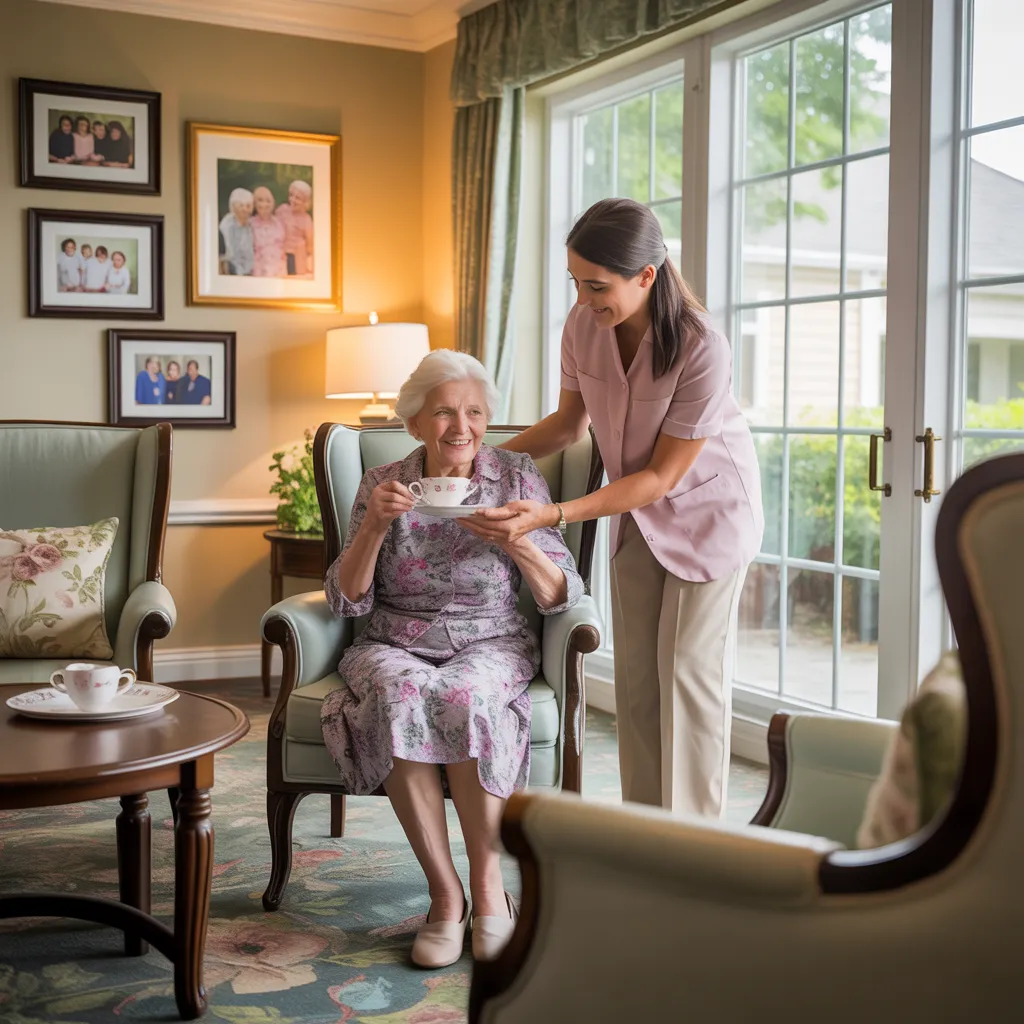
Dementia: Difficulties and Solutions
Dementia presents a complicated range of difficulties for people, families, and caregivers similarly. The mental deterioration associated with dementia affects memory, reasoning, and daily functioning, making difficult routine tasks and raising reliance on others. Families often struggle with the psychological burden of witnessing their loved ones' deterioration, leading to feelings of helplessness and frustration. Caregivers encounter the burden of managing physical care while navigating the unpredictable behaviors associated with the condition.
To address these difficulties, quality memory care services offer organized settings designed to enhance the quality of life for people suffering from dementia. Such programs typically include expert instruction for staff, tailored activity programs, and therapeutic interventions intended at maintaining mental abilities. Additionally, these establishments provide relief for families, allowing them to refresh while ensuring their family members get appropriate care. In the end, effective solutions can considerably alleviate the burdens associated with dementia, fostering a supportive atmosphere for all involved.
Emotional Assistance for Families
Looking after a family member with mental deterioration can take a significant emotional toll on family members. The pressure of everyday care duties often results in feelings of isolation, anxiety, and grief. Relatives may grapple with the slow deterioration of their loved one's personality, producing a profound sense of sadness. This psychological weight can affect not only the main care provider but also brothers, sisters, and other relatives, leading to strained relationships and increased tension.
Having availability of psychological assistance is crucial for families maneuvering through these challenges. Support groups, therapeutic resources, and local support systems can offer an space for sharing experiences and coping strategies. Engaging with others who comprehend comparable challenges fosters a feeling of community and decreases feelings of isolation. In the end, emphasizing mental health is important for households, as it enables them to deliver empathetic support while also maintaining their own psychological wellness.
Dedicated Memory Care: Why It Makes a Difference
Expert memory care serves as an indispensable role in enhancing the standard of living for individuals facing cognitive decline. These programs are structured to meet the unique needs of residents with conditions such as Alzheimer's or other forms of dementia. Trained staff members recognize the complexities of cognitive impairments and implement tailored approaches that promote participation and comfort.
Within a specialized environment, residents benefit from systematic schedules that aim to lower anxiety and uncertainty. Activities are crafted to activate cognitive function and support social interaction, fostering a sense of community. Moreover, the focus on safety and security guarantees that individuals can explore their surroundings without excessive risks.
Families frequently feel assured knowing their loved ones are being given dedicated care in a supportive atmosphere. Overall, advanced dementia care not only tackles physical needs but also nurtures emotional well-being, making it a crucial component of care for those facing cognitive decline.
Essential Features to Assess in Dementia Care Centers
When considering memory care institutions, what essential elements should relatives emphasize? First and foremost, safety measures are vital. Facilities should offer protected areas that minimize wandering, with components like secured yard areas and monitored entry points. Moreover, staff-to-resident ratios are critical; higher ratios often signify more personalized care and care.
Finally, kinfolk should consider the background and preparation of caregivers. Staff should be trained in dementia support, confirming they perceive the unique needs of residents. Activities and programming fashioned to encourage mental capacity and social participation also play a key role, as they enhance quality of life.
Moreover, loved ones should review the cleanliness standards and general ambiance. A welcoming environment can greatly shape residents' health and happiness. Finally, transparency about costs and services is vital, allowing loved ones to take educated action. By prioritizing these important aspects, family members can pick the best memory care facility for their relatives.
Why Quality Memory Care Supports Dignity and Comfort
Premium memory care programs underscore respect and comfort through bespoke methods that cater to unique preferences. Individualized service plans, working alongside compassionate team interactions, develop a supportive climate for occupants. Further, protected and stimulating atmospheres nurture a sense of community and wellness, enhancing the overall quality of life.
Individualized Treatment Programs
Personalized care programs play an important role in improving the respect and comfort of individuals in memory care facilities. These tailored approaches consider each resident's unique history, preferences, and cognitive abilities, ensuring that care is not only effective but also respectful. By involving families in the development of these plans, facilities foster a cooperative environment that prioritizes the individual’s needs and wishes. This personalization enhances the sense of identity and autonomy, allowing residents to engage in activities that resonate with their past experiences. Additionally, personalized care plans can adapt over time, responding to evolving needs and preferences. Such attention to individuality greatly contributes to a better quality of life, promoting emotional well-being and a sense of belonging within the care community.
Compassionate Staff Interaction
Successful memory care depends not only on personalized care plans but also on kind relations between staff and residents. These relations create an atmosphere of trust, necessary for individuals experiencing memory loss. Caring caregivers approach each resident with empathy, understanding their unique histories and emotional needs. Through engaging in meaningful conversations and showing patience, these caregivers enhance the dignity of each individual, ensuring they feel acknowledged and understood. This approach not only reduces anxiety but also promotes a sense of belonging, important for emotional well-being. In the end, quality memory care thrives when staff focus on compassionate engagement, turning care from a routine task into a compassionate experience that values comfort and respect.
Trustworthy, Fascinating Atmospheres
Establishing a secure and engaging environment is fundamental for enhancing dignity and comfort in memory care settings. High-quality memory care services ensure secure surroundings, minimizing risks related to wandering or accidents. Well-designed spaces encourage independence, allowing residents to move freely while feeling protected. Activities that are engaging and tailored to individual interests stimulate cognitive function and nurture social connections among residents. These environments encourage participation, reducing feelings of isolation and enhancing overall well-being. In addition, the atmosphere should showcase warmth and familiarity, using personal touches that connect to each resident’s history. By combining safety with engagement, memory care services not only copyright the dignity of individuals but also create a comforting haven where they can thrive amidst their challenges.
Community Support and Its Role in Enhancing Memory Care
Community cooperation holds an essential role in refining memory care initiatives by fostering emotional connections and bonding among individuals. Access to assets within the community can greatly improve the quality of care, offering essential tools and data. Also, strengthened social engagement opportunities minister to the overall well-being of those affected by memory hurdles.
Emotional Bond and Bonding
Emotional connections serve as a cornerstone in memory care, fostering an environment where individuals are valued and understood. In memory care settings, community support cultivates meaningful connections among residents, caregivers, and families. These bonds not only enhance emotional well-being but also promote a feeling of belonging. When caregivers engage with empathy with residents, they create a safe space for sharing feelings and experiences, which can alleviate feelings of isolation. Additionally, group activities and social interactions encourage residents to connect with one another, reinforcing their sense of identity and purpose. This emotional foundation greatly impacts the overall quality of care, as individuals thrive when they feel connected, ultimately leading to improved cognitive function and a better quality of life.
Materials Accessibility
Having access to support plays a pivotal role in advancing memory care services, deepening the strong emotional connections formed among residents and caregivers. Community support delivers critical tools and information that aid families in making informed decisions about care options. Local organizations frequently host educational workshops, respite services, and support groups, which can reduce the burden on caregivers and enhance their understanding of dementia-related challenges. Access to trained professionals, such as social workers and therapists, further enhances the care experience. Furthermore, collaboration with nearby healthcare facilities guarantees that residents receive thorough and coordinated care. Overall, a strong network of community resources builds a supportive environment that greatly improves the quality of life for individuals with memory impairments and their families.
Better Social Connection
How can enhanced social engagement transform the lives of individuals with cognitive challenges? Engaging socially within a caring environment provides mental and intellectual advantages that are essential for those dealing with memory difficulties. Participation in communal activities fosters connections, reducing sense of being alone and disconnected. These engagements enhance mental performance, preserving existing abilities and potentially slowing mental deterioration. Additionally, social backing promotes a feeling of acceptance, which can greatly improve mood and overall well-being. Memory care facilities that prioritize community interaction establish settings where people can forge meaningful relationships, improving quality of life. This communal approach not only benefits residents but also provides families with reassurance, understanding their family members are thriving in a supportive setting.
Extended-Term Advantages of Superior Memory Care
While many families may initially seek memory care services primarily for immediate support, the long-term benefits of quality memory care go well past short-term relief. These services not only provide essential daily assistance but also foster a structured environment that encourages cognitive engagement and emotional well-being. Through customized programs and therapeutic interventions, residents can achieve improvements in memory retention and overall mental health.
Also, premium cognitive care solutions builds a community connection, reducing sentiments of disconnection and distress often associated with memory disorders. This compassionate setting aids families by relieving burden and ensuring tranquility, knowing their loved ones are in capable hands. Moreover, skilled staff members can offer ongoing guidance, helping families navigate the complexities of dementia care. Ultimately, investing in quality memory care services yields significant returns, enhancing the quality of life for both individuals with memory impairments and their families over the long term.
Common Inquiries Posed Often
How Can I Recognize Initial Symptoms of Memory Problems?
Initial signs of memory concerns can encompass regular forgetfulness, trouble keeping up with discussions, losing track of possessions, having trouble remembering what just happened, and changes in mood or behavior. Noticing these symptoms may warrant a professional evaluation for additional review.
What Expenses Come With Memory Care Programs?
Charges pertaining to memory care services fluctuate, typically ranging from $3,000 to $7,000 monthly. Factors determining pricing include location, facility amenities, and the level of personalized care vital to each individual.
How Do I Choose the Right Memory Care Community?
Picking the ideal assisted living community for memory care includes conducting research on options, touring the locations, assessing staff qualifications, evaluating security standards, looking at engagement programs, and incorporating family feedback, confirming the facility fits with the resident's distinct preferences and wants.
What Tasks Do Caregivers Undertake in Memory Care?
Caregivers render basic assistance in memory care by offering emotional companionship, helping with daily activities, and executing personalized care plans. Their training and compassion greatly strengthen the life quality for individuals with memory impairments.
Can Memory Care Services Address Different Stages of Dementia?
Memory care solutions can effectively accommodate different stages of dementia by tailoring support and therapies to individual needs. This responsiveness promises residents access fitting support, enhancing their life satisfaction throughout the progression of the disease.
|Memory Care Services: Tailored Assistance for Alzheimer's and Dementia
Memory care services serve an important role in assisting individuals with Alzheimer's and dementia. These specialized programs focus on enhancing quality of life through personalized care plans and trained staff. They establish safe environments that encourage cognitive engagement and social interaction. Understanding the essential features of these services can help families manage the complexities of care. What specific elements affect their effectiveness, and how can families best engage in this journey?
Understanding Memory Care Solutions and Their Advantages for Families
How can memory care services exactly assist loved ones facing the challenges of cognitive decline, and what constitute they? Memory care services are specialized programs created to help people with Alzheimer's disease, dementia, and other mental health disorders. These programs provide a organized space customized to address the particular requirements of residents, fostering safety, engagement, and respect.
Families often encounter emotional and practical difficulties when caring for family members dealing with memory loss. Memory care facilities offer assistance through qualified professionals who understand the intricacies of these conditions. This includes creating individualized care strategies, ensuring medication management, and facilitating social interactions.
The setting in dementia care facilities is specifically designed to minimize disorientation and encourage autonomy, enabling individuals to engage in purposeful pursuits. By providing relief for caregivers, memory care services enable families to concentrate on their well-being while knowing their family members are in a safe, supportive environment.
Essential Features of High-Performing Memory Care Solutions
Successful memory care programs incorporate several essential features that enhance the quality of life for residents. First, individualized care plans are essential, as they resolve each resident's particular circumstances, preferences, and challenges. These plans are consistently modified to reflect any modifications in wellness. Additionally, trained staff members provide specialized support, ensuring that caregivers grasp the complexities of Alzheimer's and dementia.
In addition, engaging activities developed to boost cognitive function and foster social interaction are essential. Programs frequently incorporate memory exercises, arts and crafts, and sound healing, cultivating a community spirit among residents. Secure and safe environments are equally necessary, supporting residents to move freely while reducing the likelihood of mishaps.
In conclusion, family participation is encouraged, creating a supportive network that ensures residents remain linked to others. Together, these features contribute to a holistic model that centers on self-respect, contentment, and health.
In What Manner Do Memory Care Spaces Encourage Safety and Contentment?
Memory care spaces are created with numerous protective measures that significantly enhance residents' comfort and quality of life. These centers generally incorporate protected floor plans that minimize disorientation and roaming, ensuring that residents can navigate without the risk of becoming disoriented. Anti-slip flooring, grab bars, and brightly illuminated common areas additionally add to a safe atmosphere.
In addition, memory care settings typically use calming colors and comforting furnishings to create a soothing ambiance. This strategic design eases anxiety and strengthens a feeling of home. Garden areas are crucial, granting guests access to nature, which has been shown to improve mood and overall health.
Emergency assistance frameworks and staff trained in safety protocols confirm that help is readily available when needed. By emphasizing these elements, memory care environments highlight the safety and comfort of residents, permitting them to thrive in a supportive setting tailored to their unique needs.
What Skilled Staff Contribute as a Improvement in Memory Care
While the locale plays an essential role in dementia care, the expertise and warmth of trained staff are equally important to strengthening residents' overall wellness. Certified experts understand the difficulties of Alzheimer's and dementia, using particular methods to communicate effectively with residents. Their aptitude to perceive individual needs supports personalized care, fostering a feeling of assurance and dependability.
Furthermore, team members are skilled to manage challenging behaviors, using empathy and patience to de-escalate emergencies. They plan engaging activities tailored to individual resident interests, promoting cognitive stimulation and social interaction. Consistent professional development guarantees that personnel stay informed on contemporary best practices and advanced techniques in dementia support.
This information not only improves the mental health of patients but also offers relatives with security in the care their dear ones obtain. At the end of the day, the zeal and proficiencies of trained staff make a significant impression on the overall experience of clients living with memory loss.
Incorporating Families into Memory Care: Best Practices
Bringing families into memory care is critical for maximizing the well-being of people facing memory difficulties. Skilled communication strategies and systematic family participation activities can strengthen these relationships, promoting a caring environment. By prioritizing family engagement, healthcare professionals can better meet the particular needs of each person.
Impactful Communication Solutions
Effective communication strategies play a crucial role in improving the standard of care for individuals with cognitive difficulties. Plain, straightforward speech is fundamental; caregivers and family members should communicate at a measured pace and use known vocabulary to avoid confusion. Body language signals, such as gestures and facial expressions, can significantly enhance understanding and promote interpersonal bonds. Engaged attention is critical; caregivers should give their full attention, validating feelings and answering with consideration. Additionally, maintaining a calm and more information patient demeanor helps create a supportive environment. Consistency in routines and communication techniques also benefits people with memory issues, as it strengthens familiarity. Overall, these approaches not only enhance interactions but also strengthen relationships, guaranteeing that people sense appreciation and comprehension throughout their treatment experience.
Family Interaction Events
Family involvement plays a crucial role in memory care, as it significantly enhances the well-being of those facing cognitive challenges. Getting family members involved in activities builds emotional bonds and creates a nurturing environment. Effective practices include scheduling regular family visits that provide meaningful interactions, such as sharing stories or engaging in therapeutic games. Moreover, family members can take part in care planning, ensuring the preferences and histories of their loved ones are respected. Educational workshops also help empower families with knowledge about Alzheimer’s and dementia, enabling them to better support their loved ones. In the end, ongoing family engagement not only enhances the quality of care but also strengthens relationships, fostering a sense of belonging for individuals in memory care settings.
Types of Memory Care Options Available
Comprehensive memory care options are accessible to address the wide-ranging needs of individuals battling cognitive decline. These options vary from specialized memory care facilities to in-home care services. Memory care facilities establish a secure environment with trained staff to support residents with daily activities, encourage social participation, and engage them in cognitive therapies.
In-home care solutions allow individuals to receive personalized support in familiar surroundings, offering companionship and help with everyday activities while maintaining independence.
Adult day programs serve as a short-term option, providing organized programs and social interaction during daytime hours for those who need supervision.
Furthermore, respite care delivers short respites to relatives in caregiving roles, ensuring their loved ones receive skilled support while caregivers get rest.
Each option caters to varying levels of need, making certain that individuals with Alzheimer's and dementia get the proper care customized for their particular situations.
Budget Factors for Memory Support Programs
Individuals and their relatives navigate the complexities of dementia care options as financial considerations become a fundamental component of the process of making decisions. The expenses related to memory care can differ significantly, based on elements such as the amount of care needed, facility location, and offered amenities. Monthly fees for memory care facilities often range from several thousand to over ten thousand dollars.
Families should review insurance options, including long-term care insurance, Medicare, and Medicaid, as these can influence out-of-pocket expenses. Additionally, comprehending potential hidden costs—such as therapy services or specialized activities—is important.
Creating a financial plan for advancing care needs is essential, as the movement of Alzheimer's or dementia may require amplified levels of backing. Considering financial assistance programs and local resources can also provide assistance. Ultimately, a thorough budgeting approach ensures that families can protect the quality of care their loved ones deserve.
Regular Questions Asked
What Is the Common Period of a Memory Care Service?
Memory care programs typically last for varying periods of time, often stretching from several months to years, determined by individual needs, the severity of cognitive decline, and the particular objectives established by caregivers and healthcare professionals.
How Should I Choose the Ideal Cognitive Support Setting for My Precious Family Member?
Finding the most suitable memory care facility involves researching options, visiting locations, assessing staff expertise, evaluating security features, understanding available activities, and looking at the facility's atmosphere to verify it aligns with the loved one's needs.
Are Memory Care Services Paid for by Insurance or Medicare?
Memory care programs may partially pay for costs through Medicare, typically for short-term stays. However, extended care frequently requires private insurance or out-of-pocket payments, prompting families to copyrightine different options for monetary assistance.
Which Engagements Are Included in Memory Care Communities?
Memory care programs generally offer experiences such as art therapy, music sessions, exercise classes, cognitive games, gardening, and social events. These experiences aim to enhance residents' cognitive functions, encourage social interaction, and improve overall well-being.
What Are the Most Effective Methods to Communicate Effectively With Someone With Alzheimer's or Dementia?
Successful interaction with a person who has Alzheimer's or dementia means using straightforward copyright, sustaining eye contact, talking at a slow pace, and displaying patience. Nonverbal signals, such as gestures and expressions on your face, can boost grasp and connection.
|Enhancing Lives With Specialized Memory Care Services
Specialized memory care services aim at addressing the unique needs of individuals facing cognitive challenges. These services prioritize personalized care plans and meaningful activities to improve emotional well-being. Structured environments are vital in fostering a sense of security and independence. Families also gain support throughout the care process. Knowing how these elements work together can reveal valuable insights into enhancing quality of life for residents and their loved ones. What are the key components of effective memory care?
Key Insights About Memory Care Facilities You Require to Realize
What factors should one consider when exploring memory care services? First, it is essential to evaluate the level of care needed based on the person's particular requirements, including their cognitive abilities and functional abilities. The environment of the facility is important; a secure, safe, and engaging atmosphere can significantly improve the quality of life for residents. Staff qualifications and education are also essential, as dementia-focused instruction guarantees that caregivers are able to manage difficult conduct with empathy. Additionally, it is vital to review the facility's strategy for programming and community involvement, which can foster a sense of community and belonging. Finally, family involvement and support services should be assessed, as they contribute to the general health and happiness of both residents and their loved ones. By carefully weighing these elements, families can choose wisely regarding memory care services.
The Significance of Personalized Care Plans in Cognitive Care
Personalized service plans are critical in memory care, as they address the unique wants and requirements of every resident. These plans are tailored to factor in individual backgrounds, mental capacities, and emotional well-being. By evaluating each resident's abilities and difficulties, care providers can create approaches that foster dignity and independence while ensuring security and ease.
Developing personalized care plans encourages a bond of community and maximizes overall quality of life. Residents feel valued when their preferences regarding everyday habits, activities, and personal connections are considered. Additionally, these plans promote effective communication between caregivers and families, ensuring everyone is united in supporting the resident's process.
Ongoing evaluations of these plans facilitate refinements based on changing circumstances, enhancing a dynamic care approach. Ultimately, personalized care plans provide a basis for thoughtful, accomplished memory care, yielding improved outcomes and a better living experience for residents.
Interactive Experiences in Memory Care
Engaging activities constitute a important element of memory care, driving intellectual engagement and community involvement. These initiatives are intended to boost brain performance while nurturing connections among residents. By implementing tailored programs, memory care facilities can develop a caring atmosphere that addresses both intellectual and affective needs.
Mental Stimulation Activities
Cognitive stimulation activities play an essential role in enhancing the standard of life for individuals in memory care. These activities, designed to stimulate the mind, can include puzzles, memory games, and problem-solving tasks that promote cognitive function. By participating in these exercises, residents can improve their memory, attention, and overall mental agility. Such activities not only provide mental engagement but also foster a sense of accomplishment and purpose. Additionally, tailored cognitive stimulation can be adapted to individual preferences and abilities, ensuring that each person remains actively involved. Overall, these activities are crucial in maintaining cognitive health and promoting a positive environment within memory care settings. Through consistent engagement, individuals can experience improved mood and a greater sense of well-being.
Social Participation Openings
Connection is vital for individuals in memory care, as social engagement opportunities greatly enhance their overall well-being. Activities designed for social interaction, such as group games, art classes, and community outings, build relationships among residents. These interactions not only provide pleasure but also boost cognitive functioning and emotional health. Regular participation in social activities promotes communication and lessens feelings of isolation, which are common in memory care settings. Additionally, organized social environments allow caregivers to observe interactions, customizing support to individual needs. By promoting a sense of belonging and community, social engagement plays a key role in enhancing the quality of life for those living with memory challenges, strengthening their dignity and self-worth.
Fostering Compassionate Environments in Senior Memory Support
Creating compassionate spaces in memory care is essential, as these spaces profoundly shape residents' health and quality of life. Such environments are defined by friendliness, safety, and individualization, which help residents sense safety and appreciated. Well-planned layouts facilitate mobility and reachability, minimizing confusion and enhancing comfort.
Lighting, colors, and familiar décor are crucial elements in forming serene surroundings that inspire pleasant recollections. Outdoor spaces, such as gardens and walking paths, create opportunities for relaxation and connection with nature, further enriching the experience.
Staff instruction in empathy and communication creates significant connections, enabling caregivers to better understand and address the needs of residents. Additionally, organized schedules provide a sense of stability, helping to alleviate worry. Together, these elements support a comprehensive method that not just tackles the mental difficulties linked to memory loss but also nurtures psychological and interpersonal health, enabling residents to thrive.
The Way Memory Care Facilities Help Families
Memory care centers play an essential role in assisting families by offering emotional support and practical resources. They offer training sessions that prepare families with the understanding needed to navigate the complexities of cognitive disorders. This comprehensive strategy promotes a deeper bond between families and their loved ones in care.
Emotional Help For Households
Many relatives experiencing the challenges associated with a loved one’s memory impairment find comfort through the emotional support given by dedicated memory care facilities. These establishments typically have compassionate staff trained to recognize the unique difficulties families undergo. Regularly held support groups enable families to connect with others facing similar circumstances, fostering a sense of community and shared experience. In addition, individualized counseling sessions address particular emotional needs, helping families deal with feelings of guilt, grief, and frustration. Memory care centers also provide resources to encourage open communication among family members, which promotes healthier family dynamics. This emotional support not only assists families in coping but also improves the quality of care their loved ones receive, creating a more positive environment for all parties involved.
Learning Resources And Seminars
Abundant memory care facilities furnish valuable educational resources and workshops created to inspire families traversing the complexities of memory disorders. These curricula often tackle core subjects, including the trajectory of memory disease, engagement techniques, and caregiving techniques. By presenting professional guidance and dynamic exchanges, facilities support families forge a deeper understanding of their family members' medical status.
Additionally, materials such as educational brochures and web-based training enhance in-person workshops, ensuring families have obtain critical knowledge at their discretion. Support groups may also be integrated, cultivating community connections among caregivers. Ultimately, these educational initiatives not only strengthen caregivers' competencies but also advance emotional resilience, permitting families to work through challenges with more confidence and compassion.
Authentic Achievement Narratives From Memory Care Facilities
Success accounts from memory care facilities illustrate the deep impact specialized support can have on individuals facing cognitive challenges. One patient, Mrs. Thompson, underwent notable progress after participating in personalized art therapy programs. At first reserved, she began to express herself artistically, leading to improved social interactions and emotional well-being.
One more tale of triumph concerns Mr. Garcia, who flourished in a consistent daily regimen crafted to strengthen memory retention. Through cognitive exercises and reminiscence therapy, he reclaimed his ability to recall cherished family moments, building relationships with loved ones.
Facilities employ tech-driven programs, such as virtual reality experiences, which have enabled residents like Ms. Patel to traverse familiar environments, lowering anxiety and confusion.
These actual cases highlight how customized memory care solutions not only improve life quality but also uplift individuals, allowing them to interact more thoroughly with their neighborhoods and community networks.
Common Posed Questions
What Qualifications Do Staff Members Possess in Memory Care Facilities?
Staff members working in memory care facilities generally hold credentials including certifications in nursing, behavioral science, or social work, combined with specialized training in dementia care, communication skills, and experience in addressing behavioral difficulties connected with memory impairments.
How Is Medication Management Handled in Memory Care?
Medication management in memory care facilities involves trained staff dispensing prescriptions, monitoring dosages, and ensuring timely intake. Regular evaluations are carried out to alter medications as needed, focusing on residents' safety and well-being throughout their care.
Are Memory Care Services Covered by Health Insurance Plans?
Memory care programs may be partially funded by insurance, based on the coverage plan. Families should consult their insurance providers to understand specific coverage details, such as any limitations or requirements for qualification regarding memory care centers.
What Safety Measures Are in Position for Occupants?
Safety measures for residents typically include locked facilities, knowledgeable personnel, emergency response protocols, frequent safety checks, and monitoring systems. These solutions function to prevent wandering and guarantee a safe, supportive atmosphere for individuals with memory loss.
Can Inhabitants Participate in Outings Outside the Premises?
Yes, residents can participate in outings away from the facility. These excursions are carefully planned to assure well-being and pleasure, permitting individuals to engage with their surroundings while receiving the necessary care throughout the experience.
}
Comments on “Your Guide to Senior Memory Care Communities”